
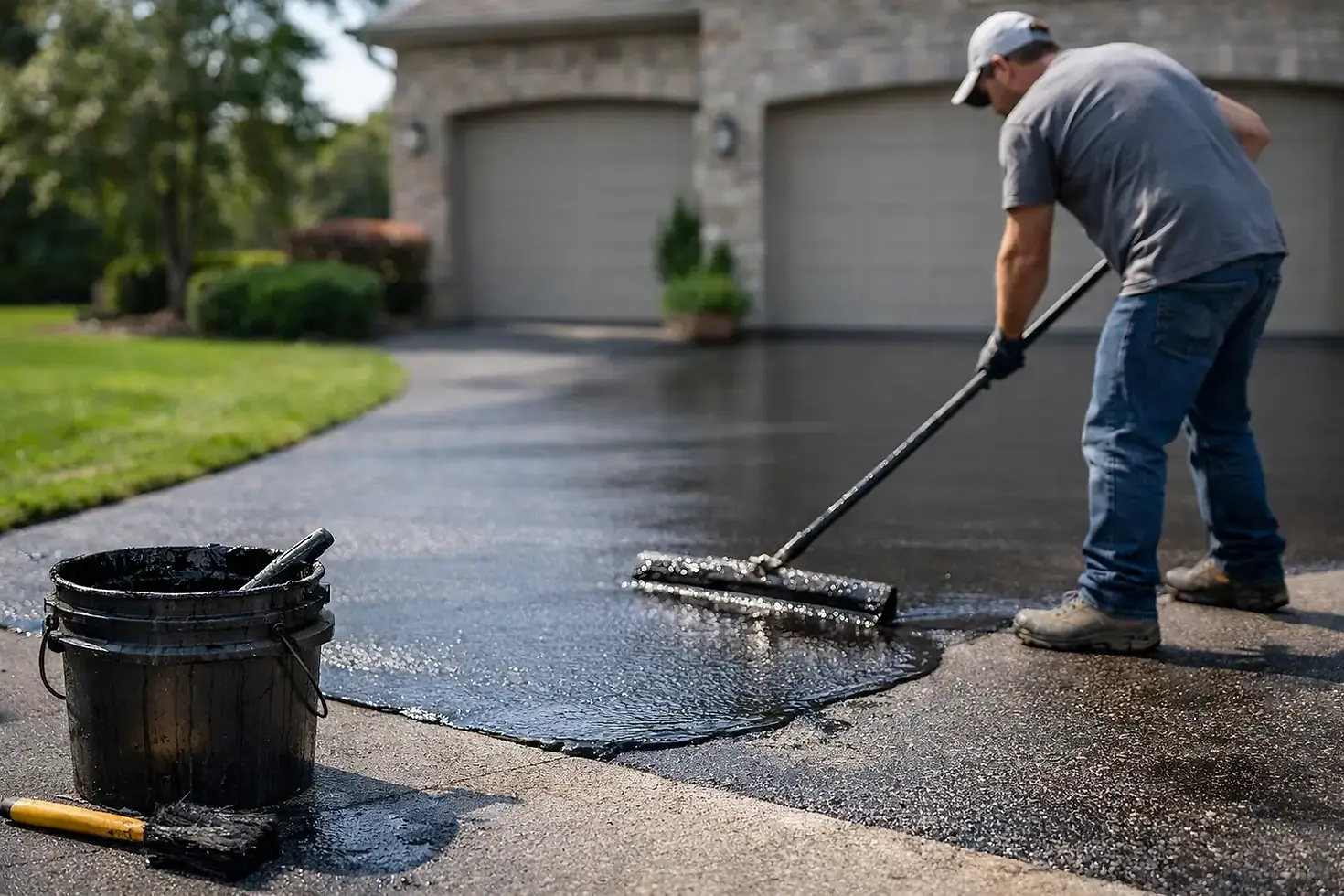
When Should Driveway Sealer Be Applied?

A driveway can look solid one season and start fading, drying out, and showing cracks the next. That is why homeowners keep asking when should driveway sealer be applied - because timing is what separates a clean, long-lasting finish from a job that peels, wears early, or simply does not hold up.
When Should Driveway Sealer Be Applied for Best Results?
The best time to apply driveway sealer is during warm, dry weather when daytime temperatures are generally between 50 and 90 degrees. For most homeowners, that means late spring through early fall. The surface needs enough warmth to let the sealer cure properly, and you also want at least 24 to 48 hours of dry conditions after application.
This is where a lot of driveway projects go sideways. A driveway might look dry on top, but if the pavement still holds moisture from rain, humidity, sprinklers, or cleaning, the sealer may not bond the way it should. That can lead to uneven finish, early wear, or visible tracking from tires and foot traffic.
If you want the short answer, apply sealer when the pavement is clean, fully dry, structurally ready, and the forecast is consistently clear. That combination matters more than simply picking a month on the calendar.
The Season Matters, But So Do the Conditions
Spring is popular because homeowners are already in cleanup mode and want to freshen up curb appeal. It can be a smart time to seal, but only after the weather settles. In many areas, spring brings rain swings, cool nights, and plenty of pollen and debris. If the pavement stays damp overnight, the job can take longer to cure and may not finish as cleanly.
Summer is often ideal, especially in stretches of stable weather. Warm pavement helps the sealer set, and longer daylight gives contractors more flexibility to complete prep and application in one smooth visit. The trade-off is extreme heat. If the surface gets too hot, some products can dry too fast on top before they level properly.
Early fall is another strong window. Temperatures are usually moderate, humidity may drop, and there is less chance of sudden heat stress on the product. The key is not waiting too late. Once cooler nights arrive consistently, cure times can slow down, and sealing season starts closing fast.
Winter is generally a no-go. Cold pavement, shorter days, moisture, and freeze-thaw cycles work against proper curing. Even if one afternoon feels warm, the overnight temperatures can still create problems.
Newly Installed Driveways Need Extra Patience
One of the biggest mistakes homeowners make is sealing too soon after a new asphalt driveway is installed. Fresh asphalt needs time to cure before it is ready for a sealcoat. In many cases, that means waiting at least 90 days, and sometimes up to 6 to 12 months depending on the mix, weather, and traffic exposure.
That wait can feel backward. A new driveway looks great, so the instinct is to protect it right away. But asphalt releases oils as it cures, and applying sealer too early can trap those materials and interfere with adhesion. The result is not better protection. It is often shorter product life and an uneven finish.
If the driveway is older, sealing on a maintenance schedule usually makes more sense. Most asphalt driveways benefit from resealing about every 2 to 3 years, though traffic, sun exposure, drainage, and previous maintenance all affect that timeline.
How to Tell If Your Driveway Is Ready
The calendar gives you a window, but the surface itself gives you the real answer. A driveway is usually ready for sealer when the color has faded from deep black to charcoal or gray, the surface looks dry, and minor wear is starting to show. Small cracks can often be filled before sealing, which helps create a cleaner and more protective finish.
A few warning signs mean you should hold off and handle repairs first. If the driveway has wide cracks, crumbling edges, soft spots, pooling water, or areas that are breaking apart, sealer alone will not fix the problem. Sealing over damage can make the surface look temporarily darker, but it does not restore structure. In some cases, it can hide issues until they get worse.
That is why prep is not optional. Cleaning, edging, crack filling, oil spot treatment, and letting the surface fully dry all come before the first coat goes down. Skipping those steps usually shortens the life of the job.
When Should Driveway Sealer Be Applied After Cleaning?
After pressure washing or surface cleaning, the driveway needs time to dry completely before sealing. That may take 24 hours in hot, breezy weather or longer in humid conditions. In shaded areas or after deep cleaning, it can take more time than homeowners expect.
This is especially important in places with high humidity or frequent afternoon showers. Even if no rain falls during the job, moisture in the pavement can still affect the finish. A professional crew will usually watch both the weather and the surface conditions rather than rushing from cleaning straight into sealing.
For busy homeowners, that is one reason bundled exterior maintenance can make life easier. When cleaning and sealing are planned together instead of booked as random one-off projects, the timing is usually better and the results are more consistent.
The Best Weather Forecast for Sealing
The ideal forecast is simple. You want dry weather, moderate temperatures, and low chance of rain for at least a day after application, preferably two. Cloud cover is fine. A light breeze can help. What you do not want is a pop-up storm, heavy humidity, or overnight temperatures dropping too low.
Rain too soon after sealing can leave marks, wash away material, or create a blotchy surface. Tires pulled onto uncured sealer can leave tracks or peeling. Sprinkler systems can cause problems too, especially if they hit the driveway the same night.
That is why the best sealing jobs are planned, not squeezed in. Good timing protects your investment and keeps you from paying again sooner than you should.
Why Proper Timing Saves Money
Homeowners usually think of driveway sealing as a curb appeal service, and it absolutely helps there. A freshly sealed driveway makes the whole front of the property look sharper, cleaner, and more cared for. But the bigger value is protection.
Sealer helps shield asphalt from water, oxidation, UV exposure, vehicle fluids, and day-to-day wear. Applied at the right time, it can help slow down surface aging and reduce how quickly small issues turn into larger repairs. Applied at the wrong time, it may wear out early and leave you paying for another service before you expected.
That is where smart maintenance beats reactive maintenance every time. A driveway that gets cleaned, inspected, repaired as needed, and sealed on schedule usually stays in better shape and costs less over the long run than one that gets ignored until the damage becomes obvious.
For homeowners who like convenience, this is exactly the kind of service that fits into a recurring property care plan. Instead of trying to remember when the driveway was last sealed or whether the weather is finally right, you have a maintenance rhythm that keeps the property looking good without all the guesswork.
The Bottom Line on Timing
So, when should driveway sealer be applied? During a stretch of warm, dry weather, after the pavement is fully clean and dry, and only when the driveway is actually ready for sealing. For most properties, that means late spring, summer, or early fall, with enough cushion to avoid rain and cool nights.
If the driveway is brand new, wait until it has cured. If it is damaged, repair it first. If the weather looks shaky, hold off. The best-looking driveway is not the one sealed fastest. It is the one sealed at the right time, with the right prep, so the finish lasts and the property keeps that clean, well-kept look homeowners want.
A good driveway should make coming home feel better, not add another maintenance headache. Get the timing right, and that simple service does a lot more work for your property than most people realize.


Comments